
The Value of Professional Residential Painters in Home Renovations
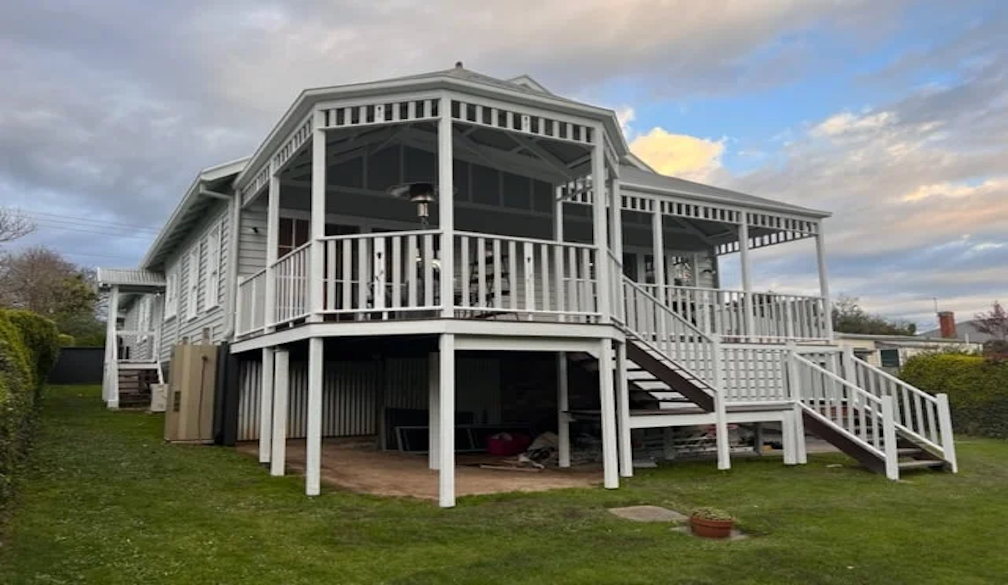
Home renovations can be an exciting yet daunting task, often requiring careful planning and execution. One of the most critical aspects of any renovation is the painting process, which can significantly impact the overall aesthetic and feel of your home. Engaging professional residential painters in Melbourne can make a substantial difference in the quality and efficiency of your renovation project. Here’s why hiring experts is a smart move for homeowners looking to elevate their living spaces.
-
Expertise and Experience
Professional residential painters bring a wealth of knowledge and experience to your home renovation. They understand the nuances of various surfaces, paint types, and finishes, which can greatly affect the outcome of your project. Whether you’re looking to refresh the interior or exterior of your home, their expertise ensures that the right techniques and products are used. This level of skill helps to achieve a flawless finish that DIY efforts often fail to deliver.
-
Time Efficiency
Home renovations can be time-consuming, especially if you’re juggling other responsibilities like work or family. Hiring residential painters in Melbourne allows you to focus on other aspects of your renovation while they handle the painting. Professional painters are equipped with the tools and resources necessary to complete the job efficiently, often finishing projects in a fraction of the time it would take an amateur. This efficiency not only saves you time but also reduces the disruption to your daily life.
-
Quality Materials and Techniques
Professional painters have access to high-quality paints and materials that may not be readily available to the average consumer. They can recommend the best products suited for your specific needs, considering factors such as durability, finish, and colour choices. Using superior materials often leads to better coverage, longer-lasting results, and enhanced protection against environmental factors. This investment in quality ensures that your home looks beautiful for years to come.
-
Attention to Detail
A successful paint job goes beyond simply applying colour to walls; it requires meticulous preparation, attention to detail, and a keen eye for aesthetics. Professional residential painters in Melbourne understand the importance of surface preparation, which includes cleaning, sanding, and priming. This groundwork is essential for achieving a smooth and even finish. Their commitment to detail ensures that every nook and cranny is addressed, resulting in a polished and professional appearance.
-
Customisation and Design Advice
When embarking on a home renovation, you may have a vision but lack the technical know-how to bring it to life. Professional painters can offer valuable design advice and insights, helping you choose colours and finishes that complement your home’s architecture and your personal style. They can also provide suggestions for creating specific effects, such as accent walls or textured finishes, that can elevate the overall look of your space.
-
Safety Considerations
Painting can involve risks, particularly when working at heights or with potentially hazardous materials. Professional residential painters are trained in safety protocols and have the necessary equipment to protect themselves and your home during the process. This reduces the likelihood of accidents and damage, giving you peace of mind as your renovation unfolds.
-
Increased Property Value
A fresh coat of paint can significantly increase your home’s value, making it more appealing to potential buyers if you decide to sell in the future. Professional residential painters in Melbourne not only improve the aesthetic but also enhance the overall quality of your home. A well-executed paint job can be a strong selling point, making your property stand out in a competitive market.
Conclusion
Engaging professional residential painters in Melbourne is an invaluable investment during home renovations. Their expertise, efficiency, and attention to detail contribute to a finished product that enhances both the beauty and value of your home. Whether you’re refreshing a single room or undertaking a full home renovation, the right professionals can help you achieve your vision while ensuring a seamless and enjoyable process. Make the smart choice for your home and hire experienced residential painters to transform your space into the sanctuary you’ve always dreamed of.